
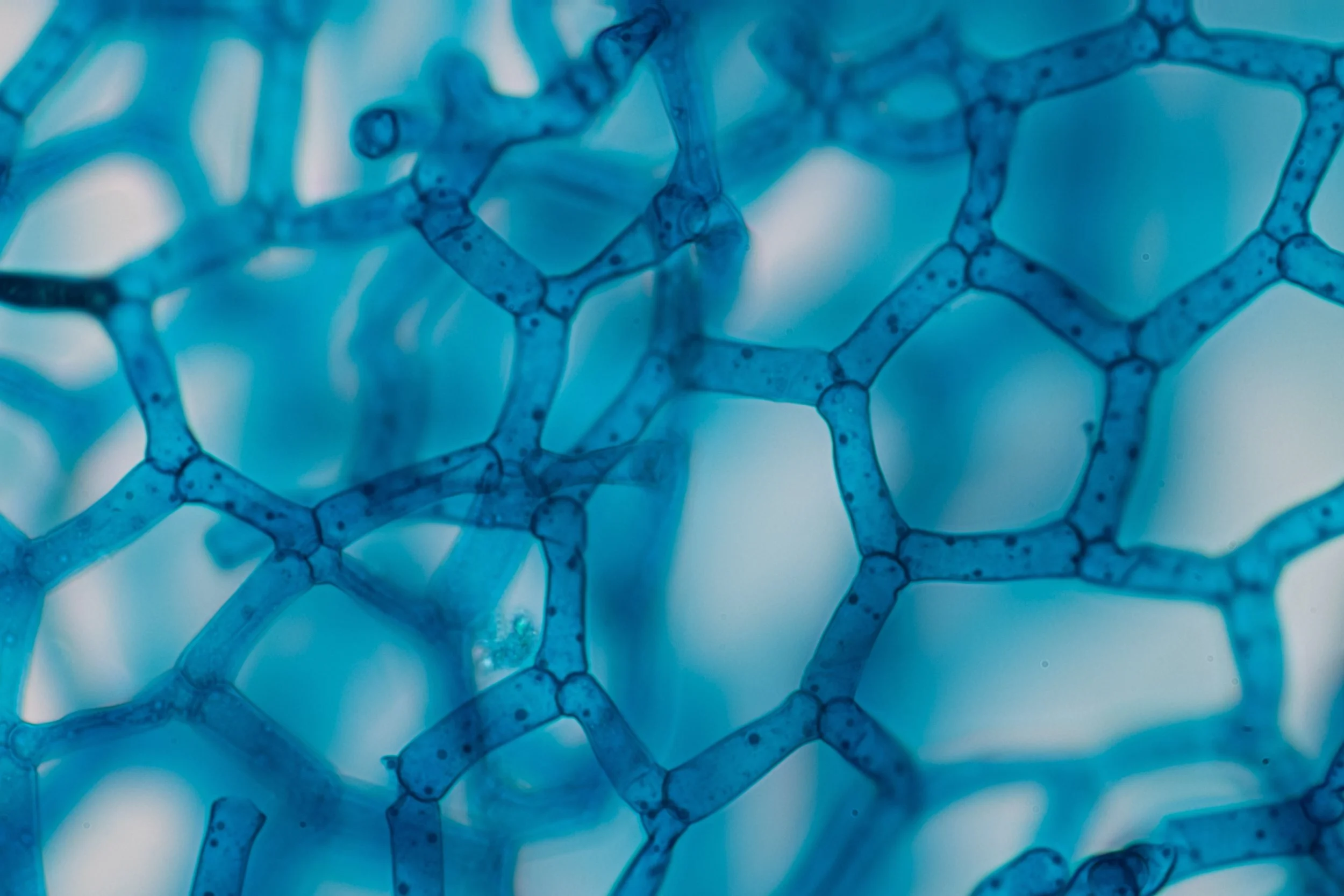
Designed by an artist, created by the ocean
Innovation wasn’t lacking ideas. It was missing translation.
“I couldn’t find the next-gen materials that met designers’ expectations and could scale—so I studied the science to build them.”
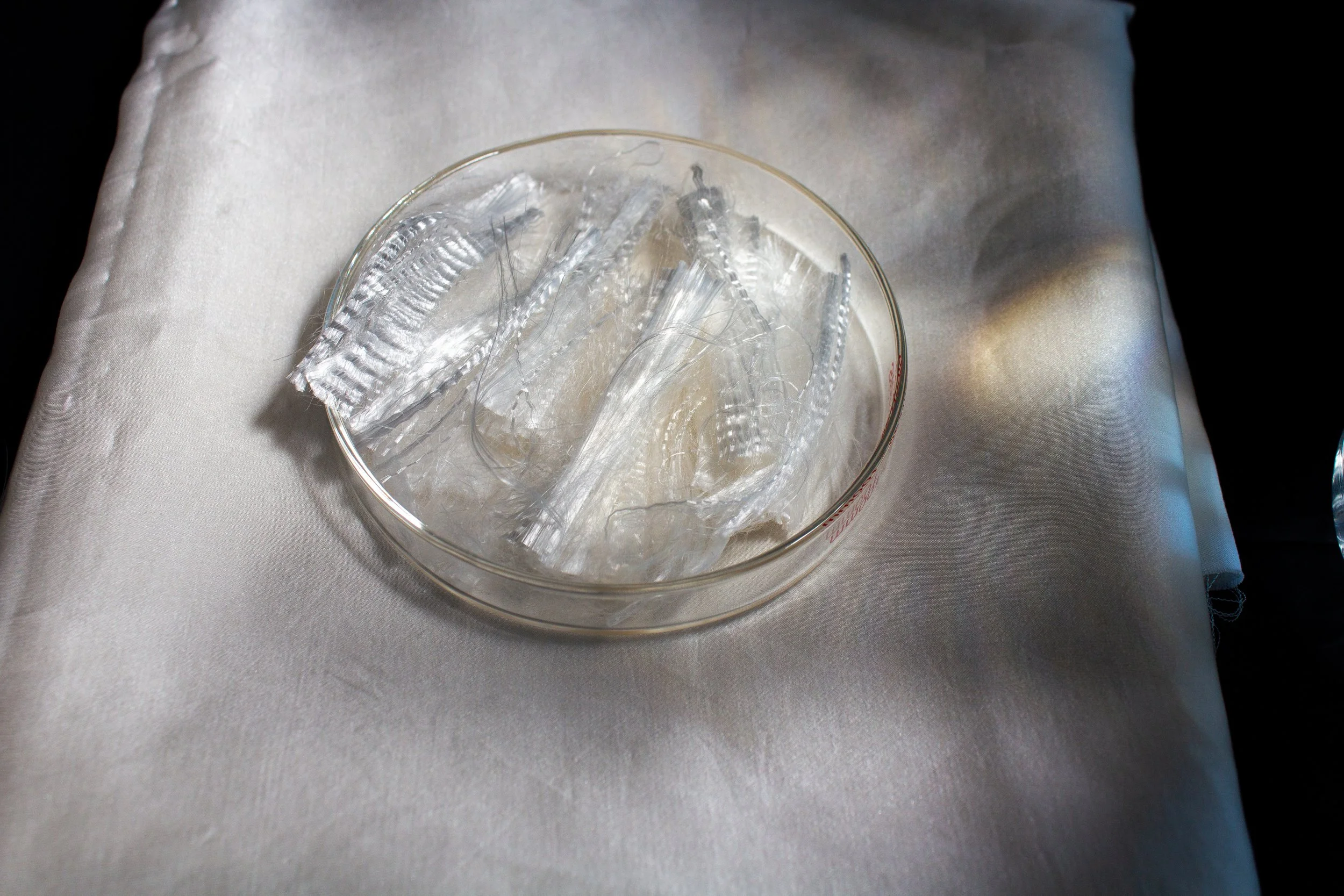
“Water is the creator.
It reveals the rainbow — and the materials of tomorrow already hidden within nature”
Eugène Riconneaus
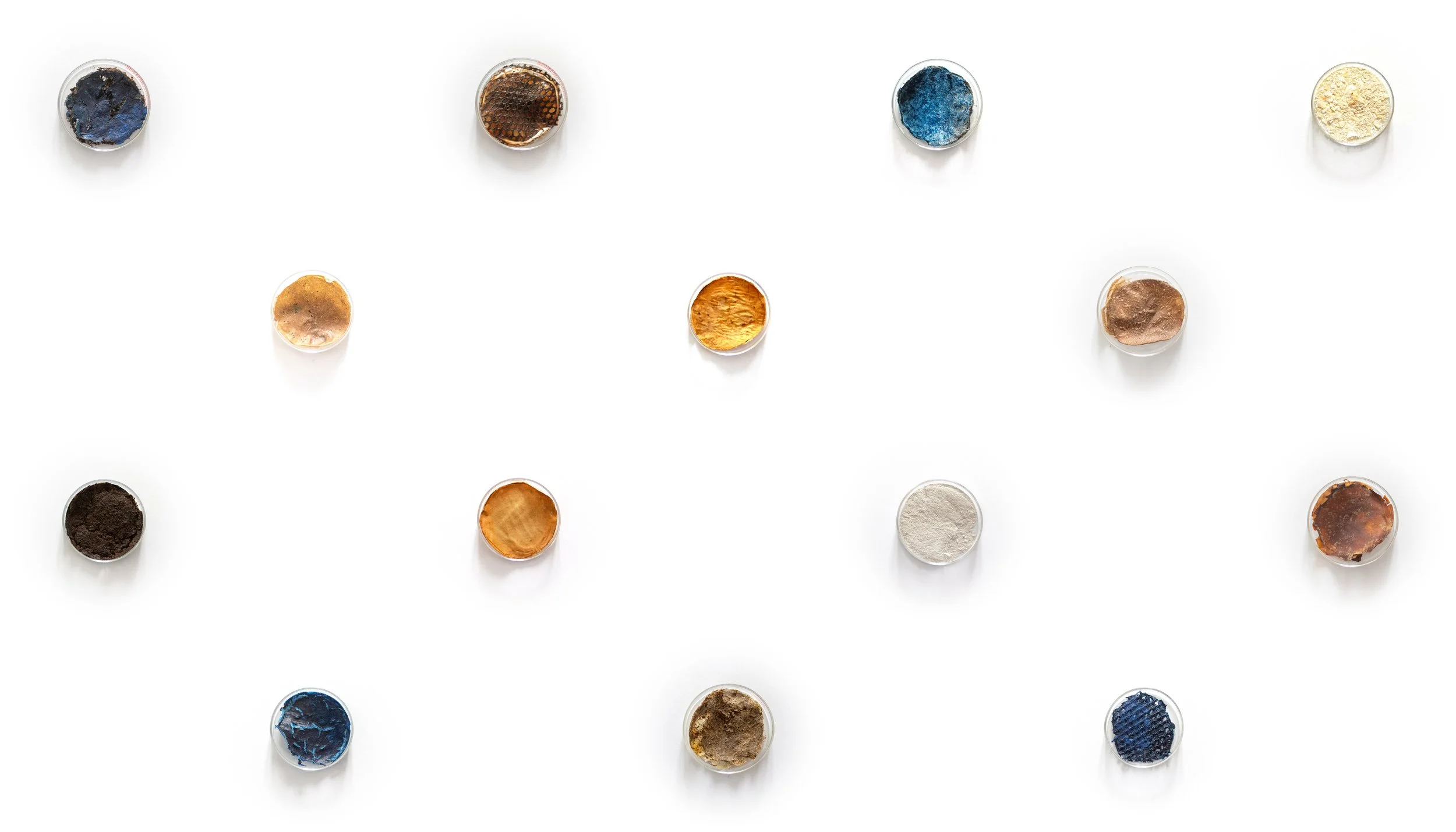
In his studio, Eugène Riconneaus began exploring bio-inspired materials, crafting his own pigments and polymers by experimenting with marine biomass, such as algae, cyanobacteria and seafood shells. His foray into biomimicry and material science has transformed his art and design practice into a platform for environmental activism.
ER Ocean Recherche,
Material innovation as a systemic mindset.
In this film, the fish is a metaphor for a different way of building: swimming upstream, against linear thinking, looking beyond surfaces to understand systems. Eugène Riconneaus approaches his companies as living artworks. Not products, not slogans—but organisms. What we face today is often framed as a natural disaster; in reality, it is a cultural one. A crisis of intergenerational knowledge, of how we protect seeds, materials, beauty—so they can grow again and again.
Riconneaus’ practice has always focused less on owning matter than on sharing understanding. From art to science, from atelier to laboratory, his work invests in foundations: processes, protocols, and ways of seeing. Knowledge over accumulation. Regeneration over extraction.
This shift also marks a personal transformation: the artist stepping into the role of CEO—not to scale objects, but to scale meaning. With this mindset, ER Ocean Recherche has reached a new milestone: one year of secured production capacity, with costs expected to be divided by two at scale.
Challenging traditional economic paradigms by returning the company to its most essential function: solving a problem with and for a community.
The next industrial unicorn, Riconneaus believes, will not be a solitary success—but a consortium of shared energies, knowledge, and collective intelligence, capable of responding faster and wider to climate change and economic renewal.
Designed like an industrial cultural action, the company is governed to protect its purpose—so that its reason for being remains intact, transmitted, and cherished by future generations.
The fish swims on. Upstream.
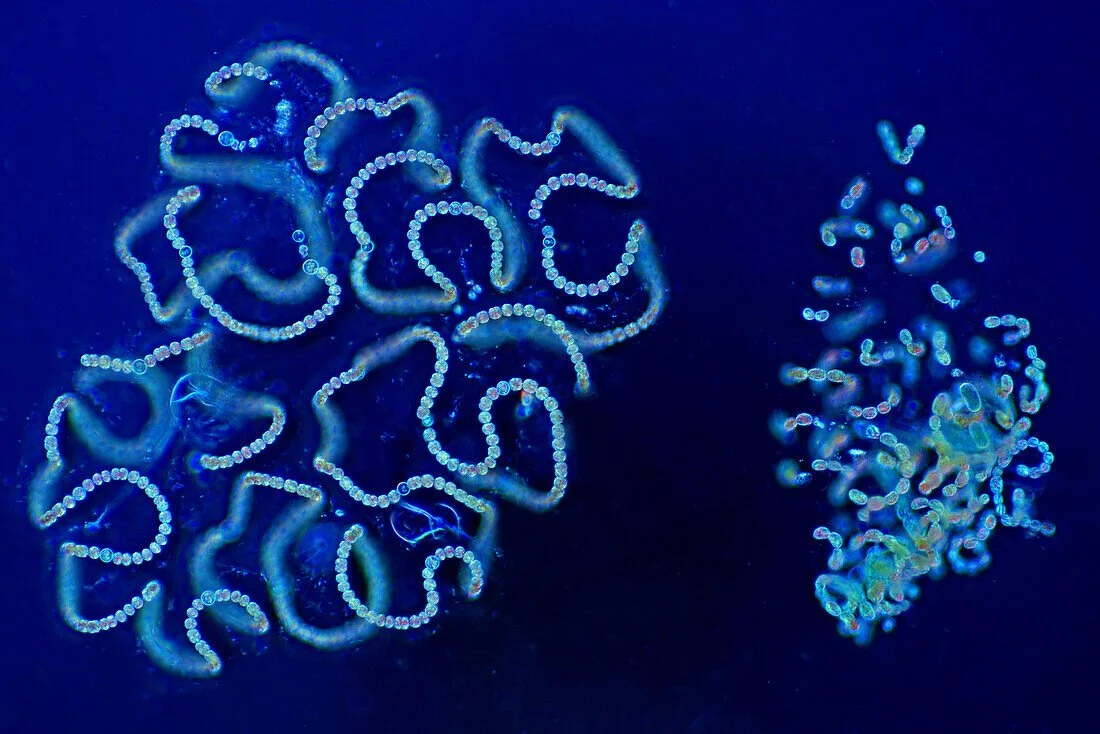
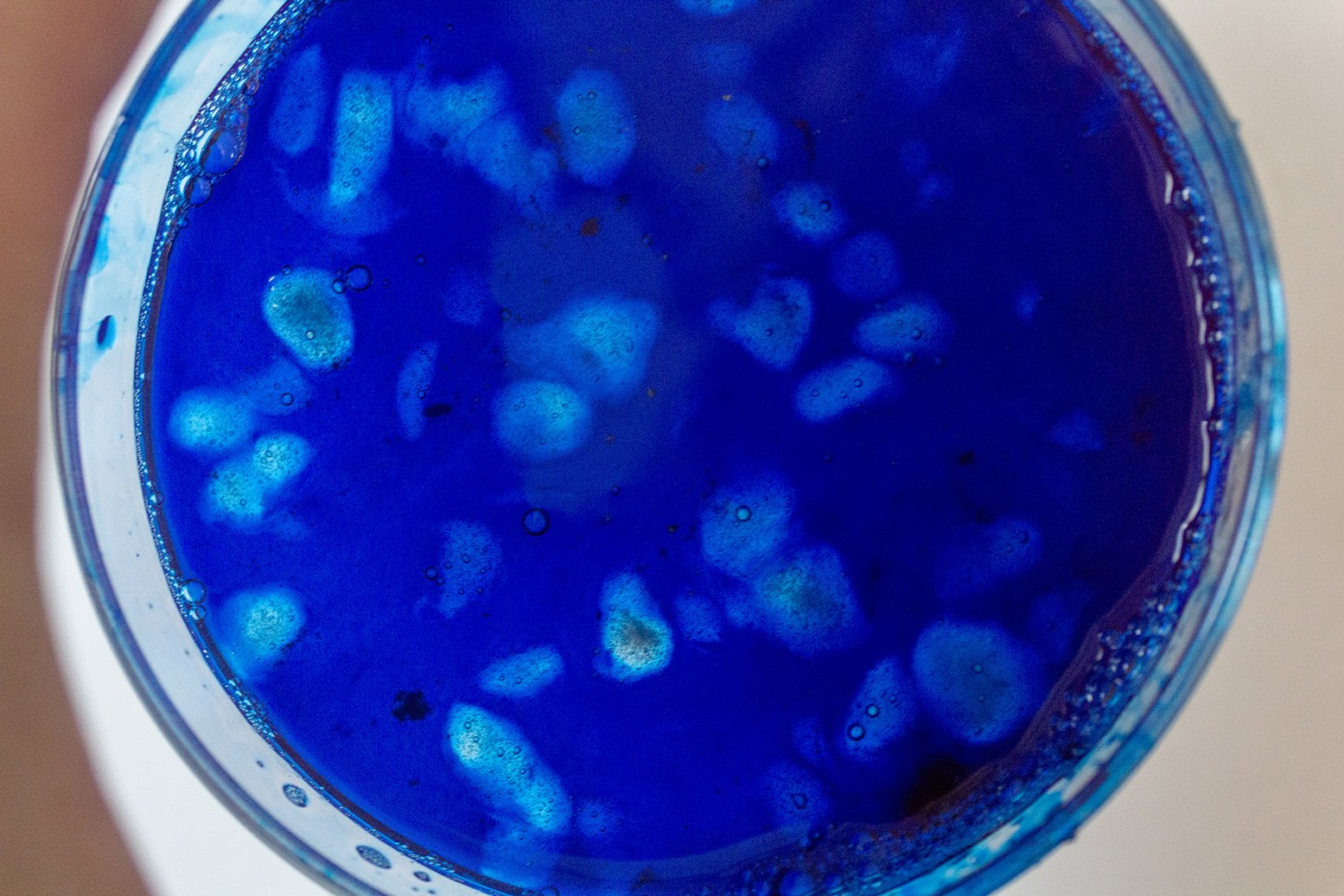
Cyanobacteria
polarised light micrograph
Ocean fabrics & yarns made from Sei™
from marine biomass
-
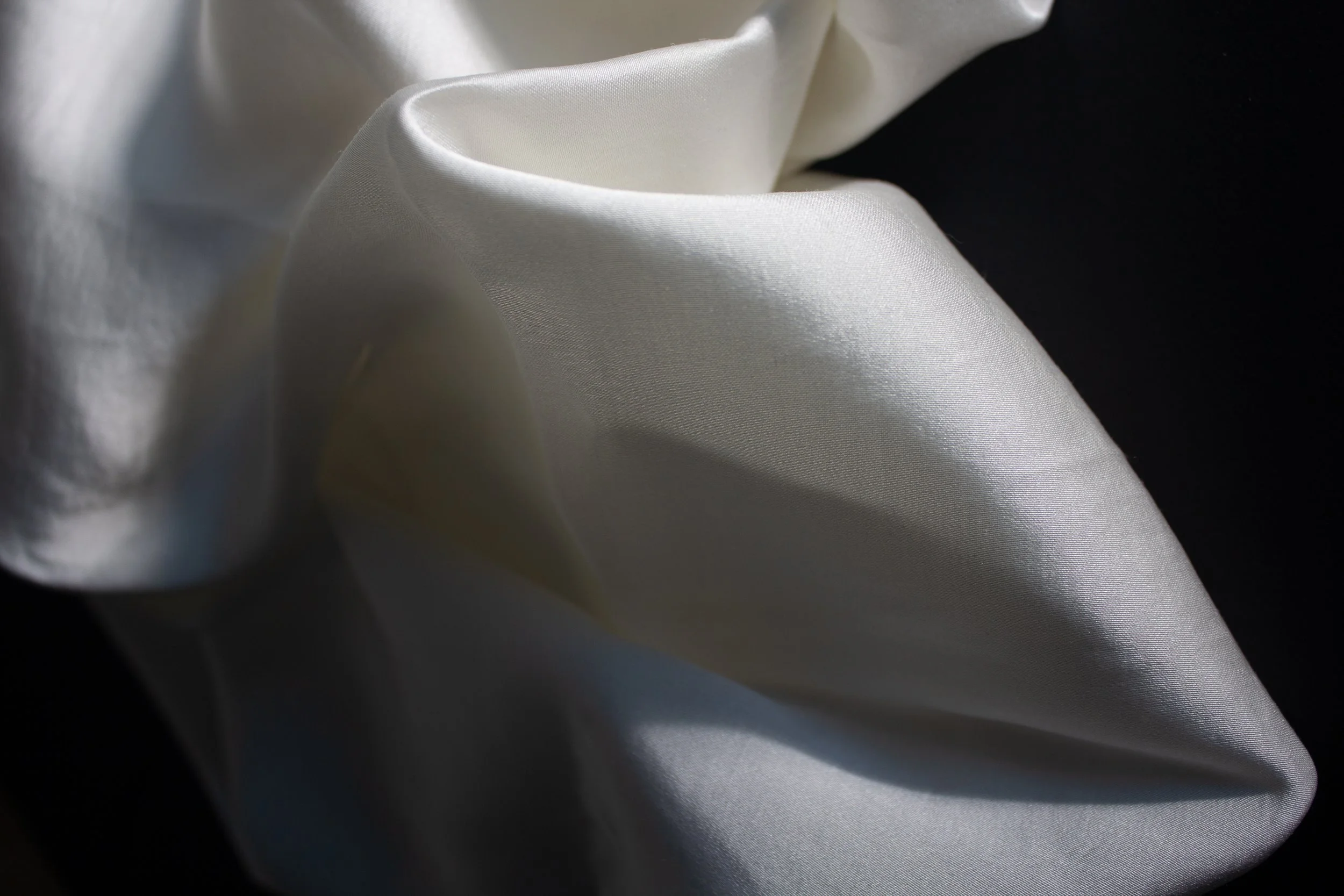
![SeiYarn ocean silk fabric drape detail]()
Ocean silk
38% silk, 62% SeiYarn™
-
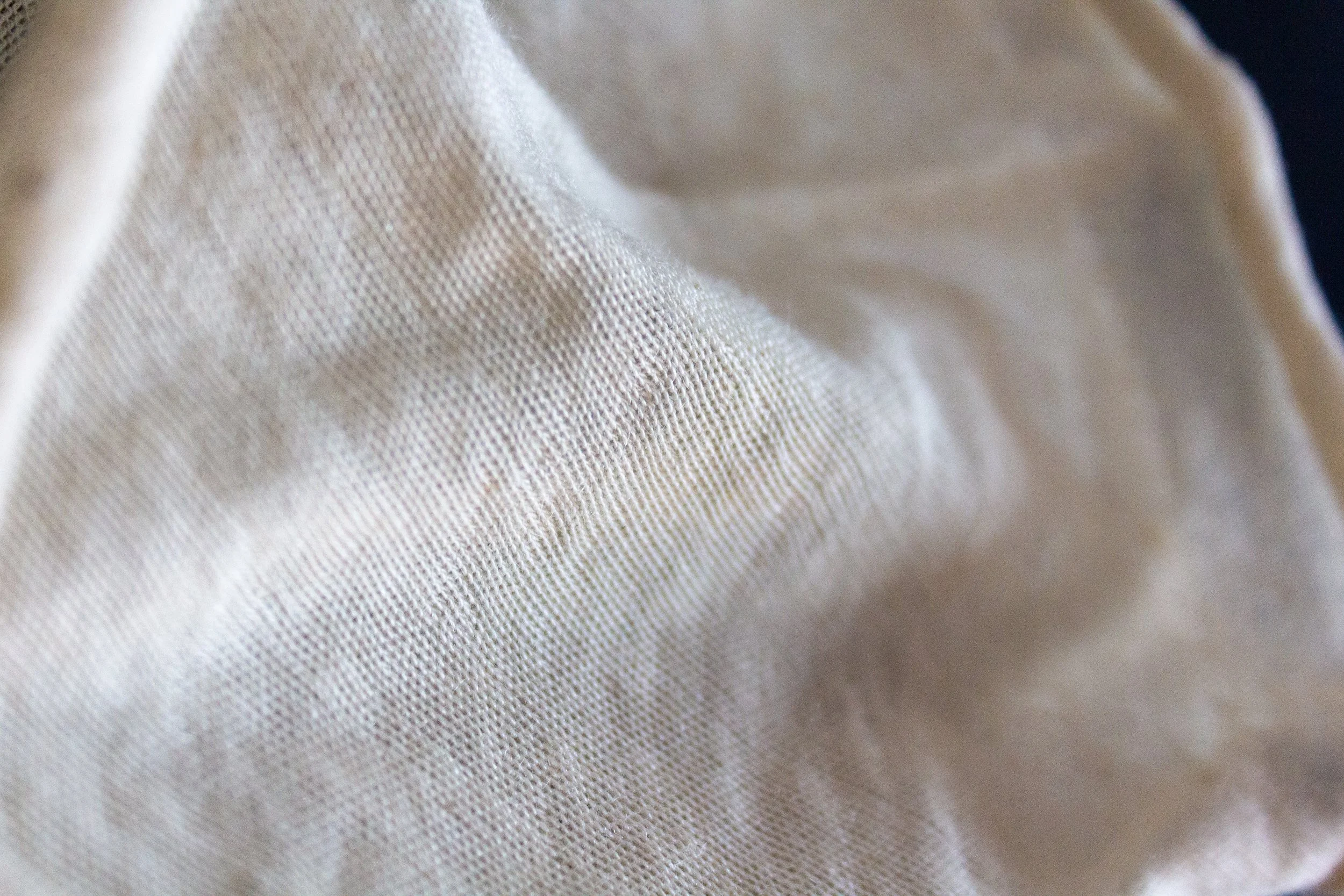
![SeiYarn woven fabric texture drape detail]()
Knitwear
80% long staple cotton, 20% SeiFibre™
-
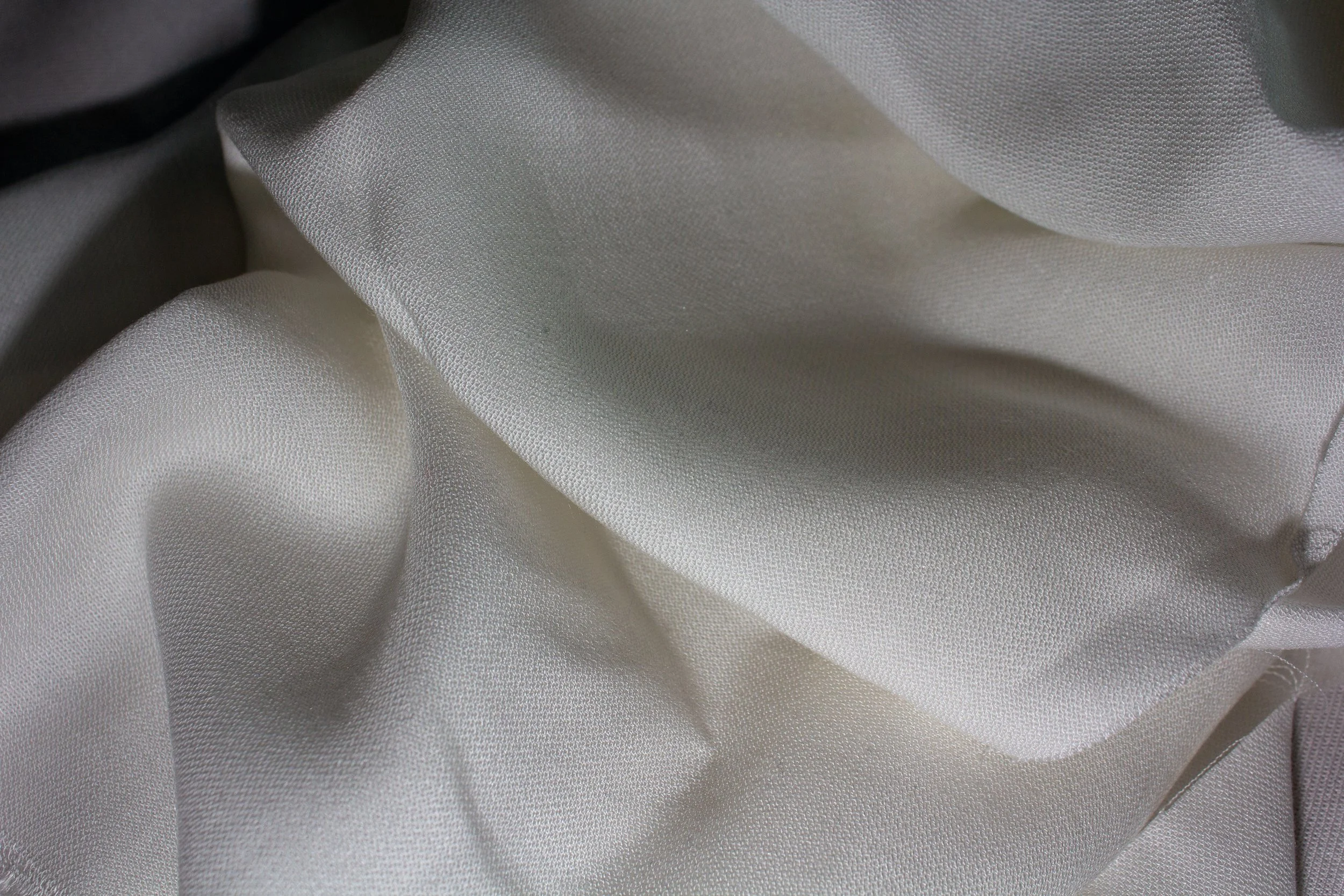
![SeiYarn fabric blend application for suits]()
Woven fabrics
30% SeiFibre™, 70% Lyocell
-
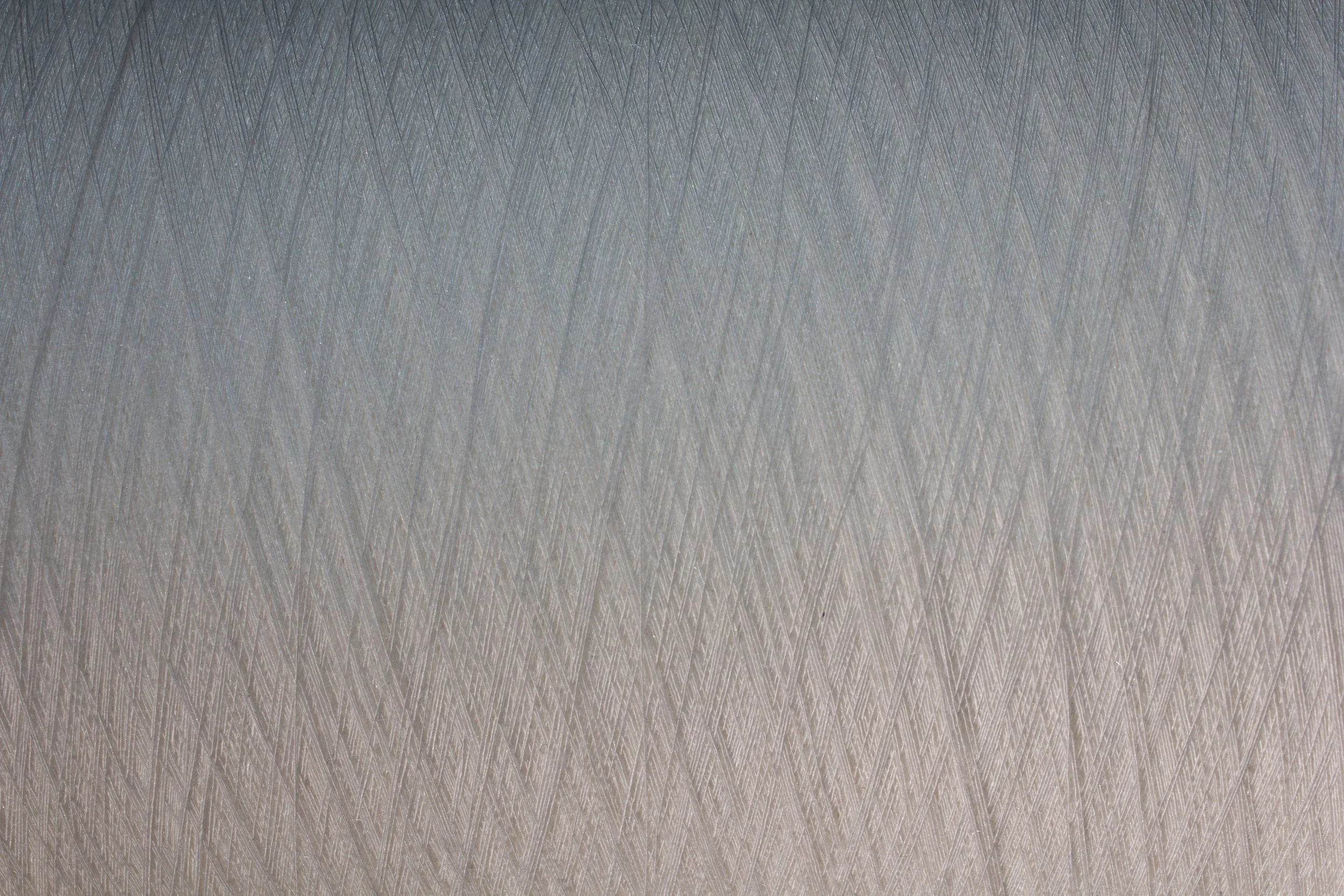
![SeiYarn close-up picture in diamond pattern]()
SeiYarn™
70% Lyocell, 30% SeiFibre™
-
![SeiShell biodegradable leather alternative]()
Coated canvas - SeiShell™
Organic textile base, coating layer made with marine biomass

Unicorns only exist in the ocean.
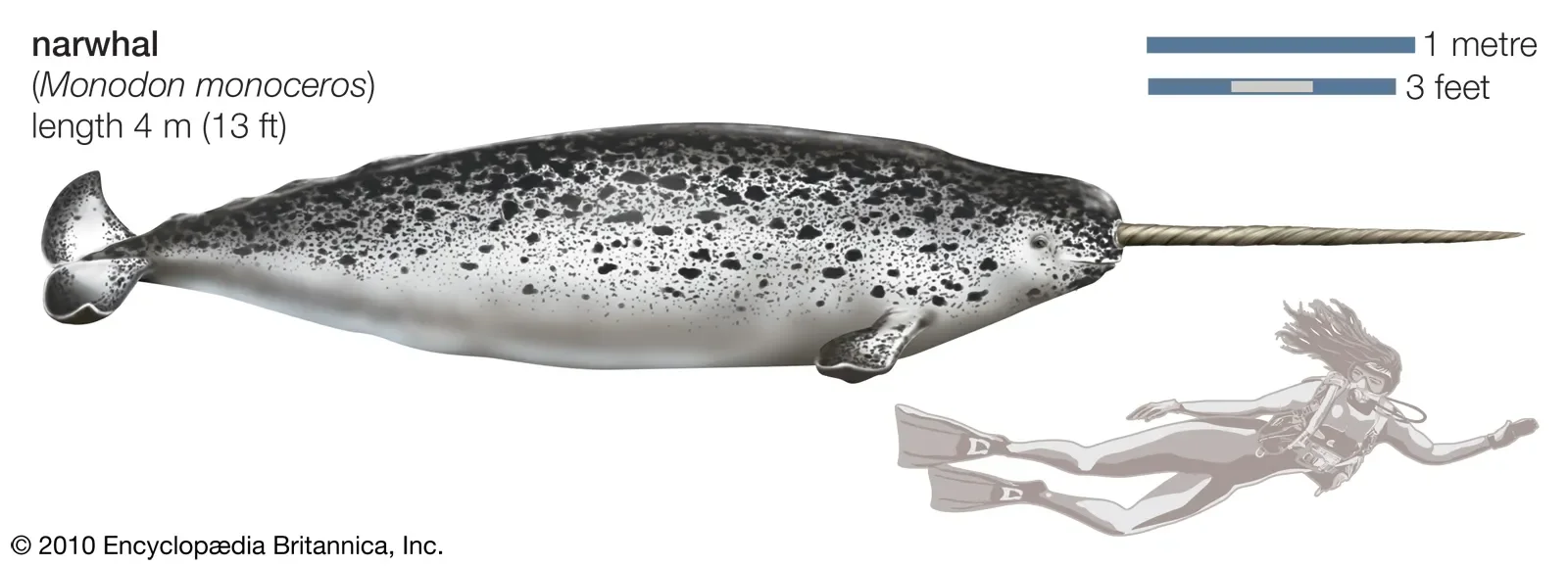
The next unicorn will not emerge alone, but from shared energies, knowledge, and collective intelligence—able to respond at scale and at speed to climate and economic transformation.

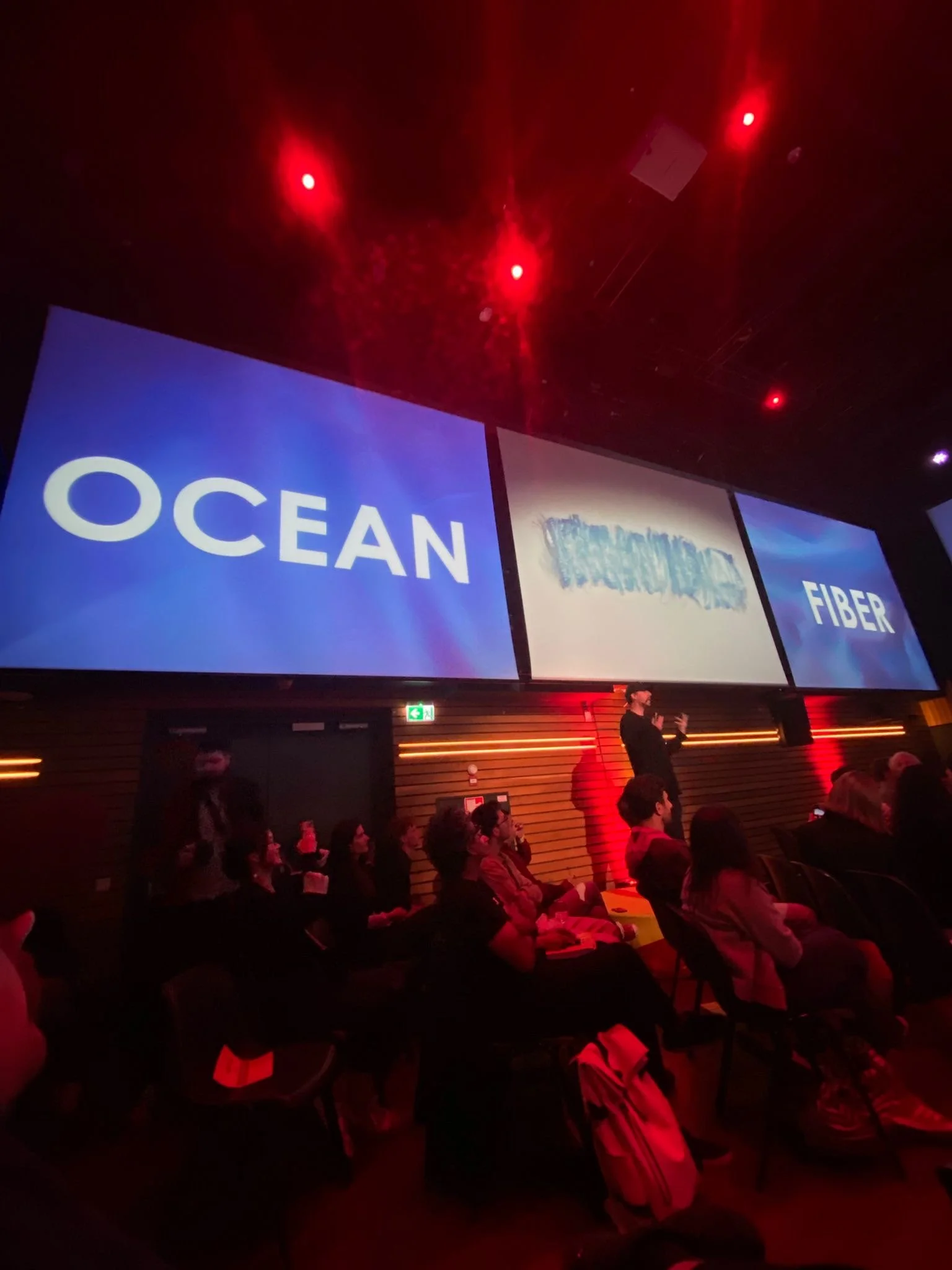
Keynote @ Forbes Sustainability17
Fabrics
manufacturers
09
Yarn
spinners
03
Fiber
producers
29
Partners
510.000lm
Production capacity per year
7.000lm
Pre-ordered through our platform (Y1)
-
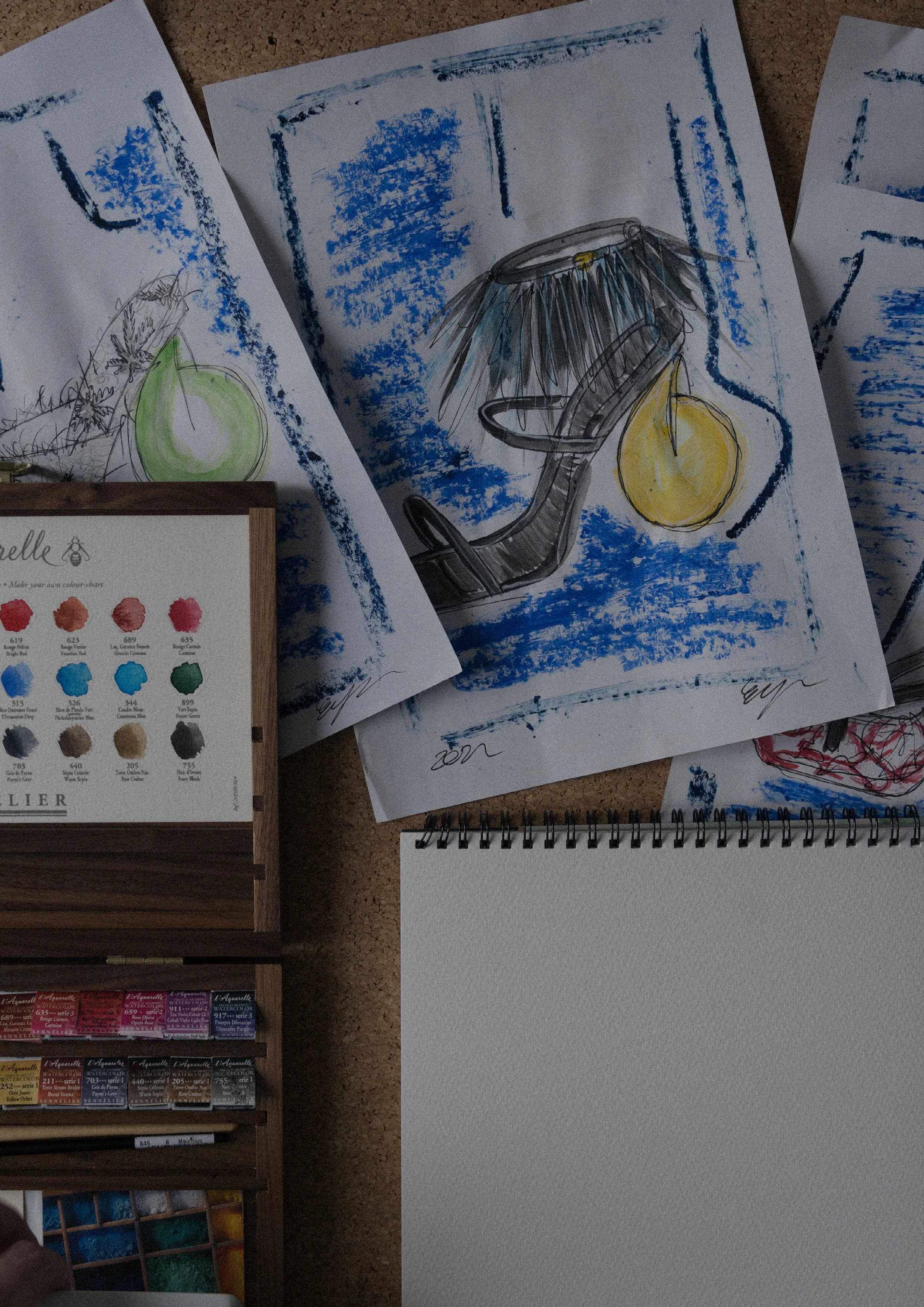
![founder Eugène Riconneaus design studio workspace]()
From creative studio
Creative studio 2009-2019
(19-30 years old) -
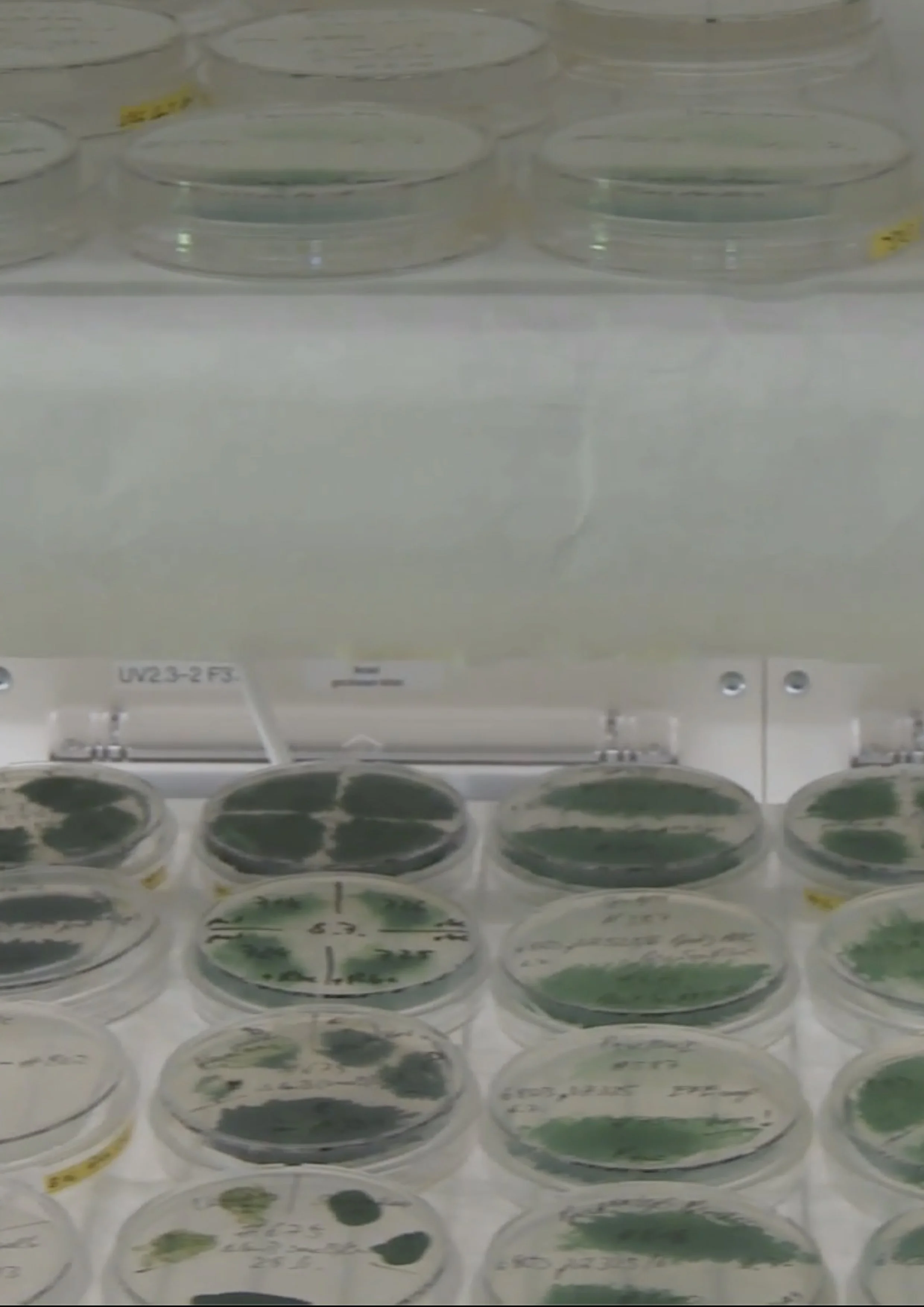
![Microorganism culture laboratory cultivation testing]()
To science laboratory
Science laboratory 2020-2025
(30-35 years old) -
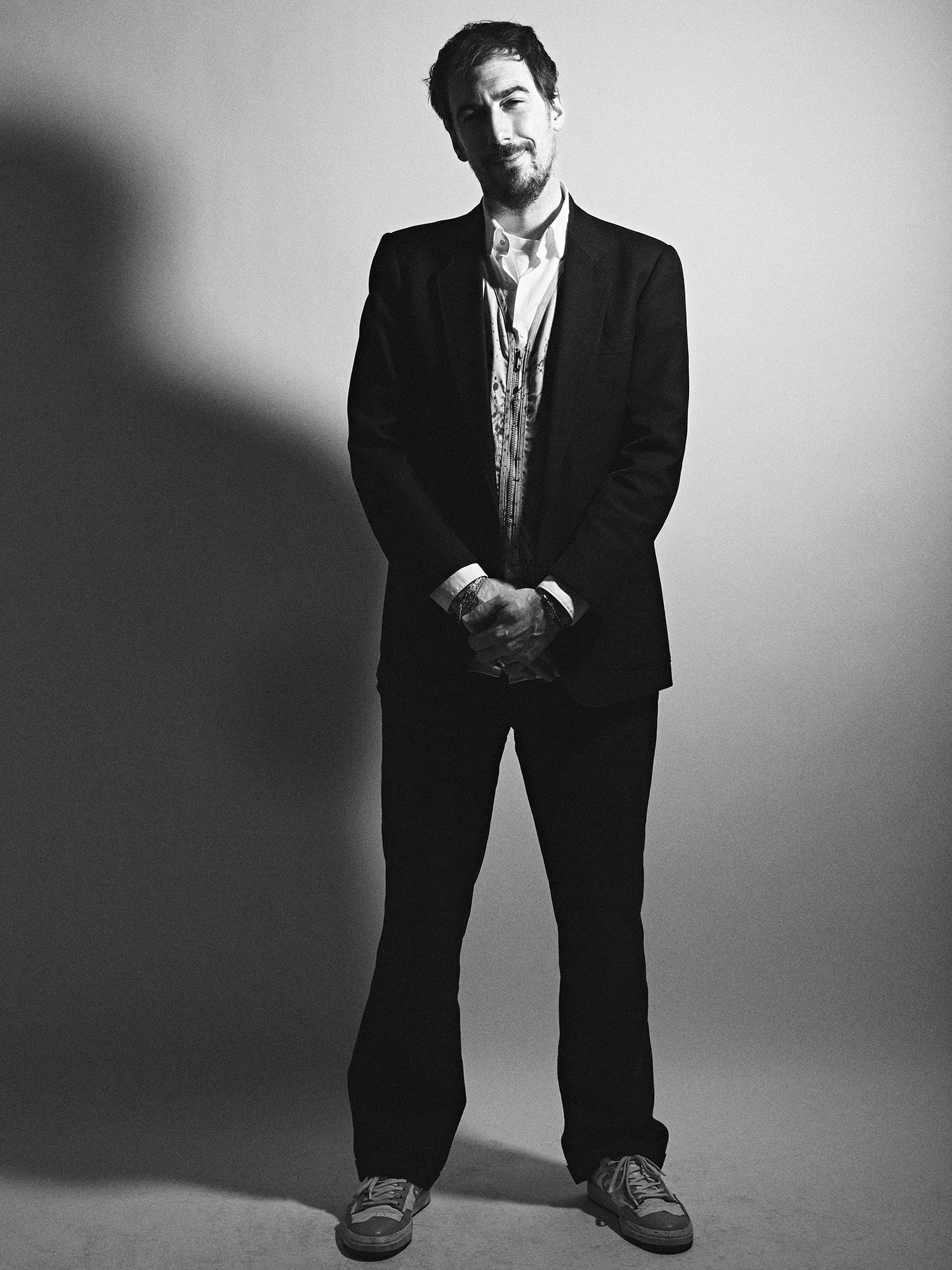
![Eugène Riconneaus founder ER Ocean Recherche]()
Designed by an artist, created by the ocean.
Eugène Riconneaus introduces
ER Ocean Recherche, Redesigning fashion material in a laboratory
Design as validation tool
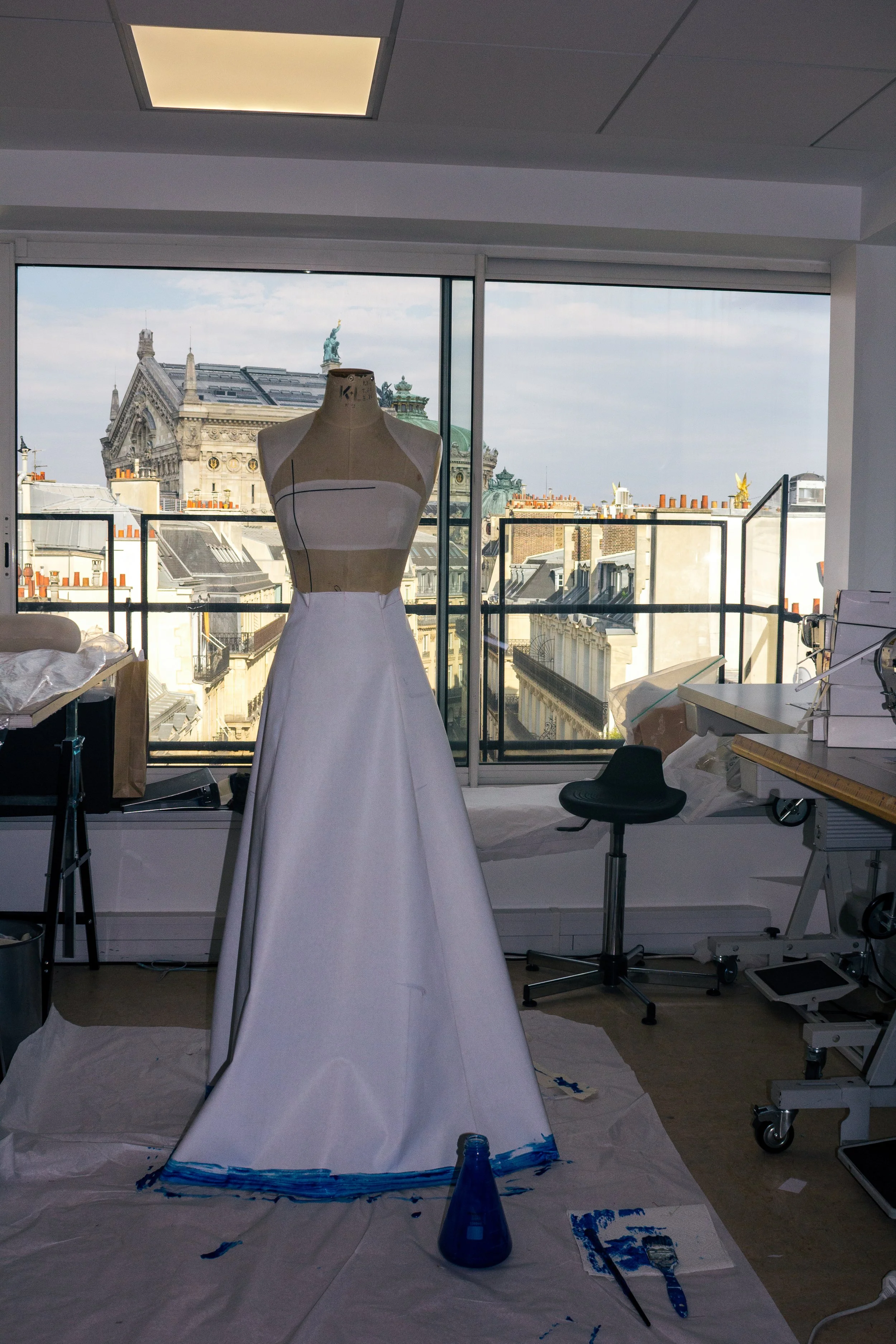
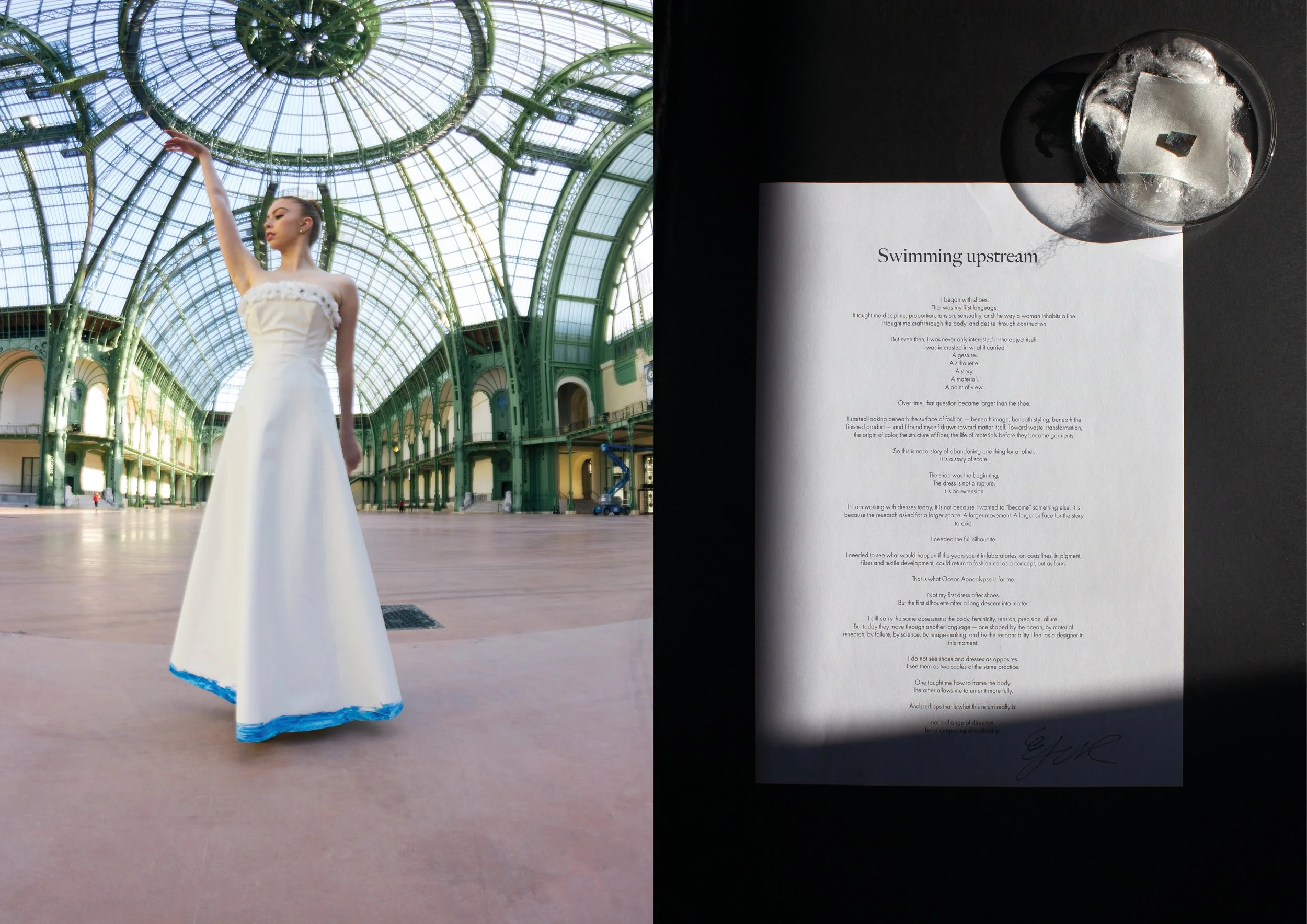
Each time a new textile is developed, we immediately translate it into a finished garment. Brands see the material in use.
No abstraction.




Blue Carbon
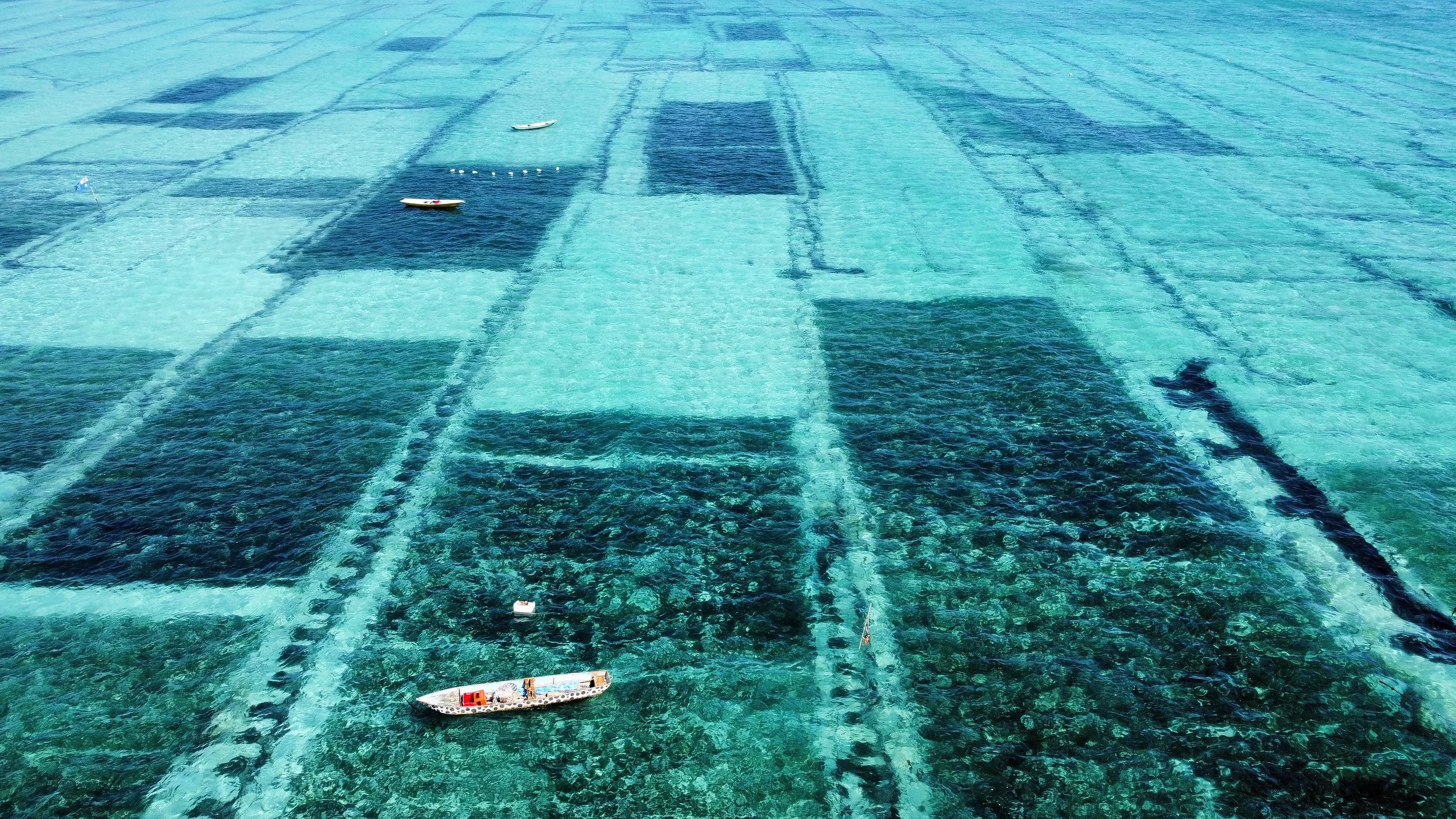
We contribute to the development of the blue carbon potential of marine ecosystems, a critical lever for climate change mitigation.
❋ Low material footprint❋ Not water-intensive ❋ Plastic-free❋ Not land-intensive❋ Minimizing reliance on finite resources ❋ Not energy-intensiveDesigned by an artist, created by the ocean
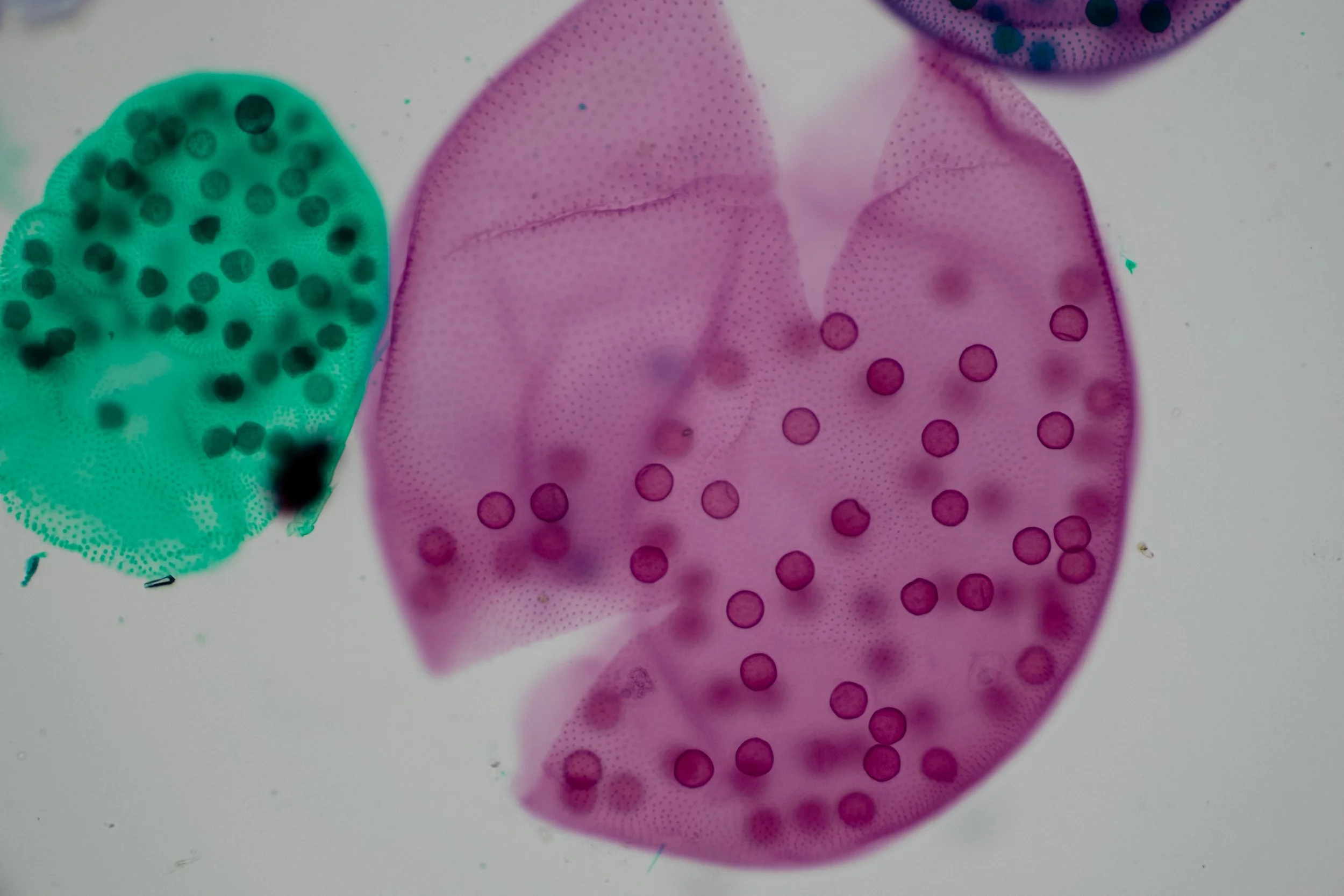
As an artist, Eugène Riconneaus started to experiment with ingredients gathered along the coast of Nouvelle-Aquitaine to create his artworks. Gradually, these experiments deepened, until he was no longer using materials, but making them at the service of art. He developed pigments derived from microalgae, including a vivid blue that soon became a recurring element in his creations. Was it the hand of an artist or simply nature at work?
He went on exploring the silent collaboration between light, humidity, temperature, and other external drivers acting upon the materials. He analysed the chemical reactions and learned to reproduce them in the lab, to create new textiles. Even now, as a textile innovator, art continues to play a central role in his work. By giving a voice to the ocean through art, Eugène Riconneaus aims to inspire a deeper connection with marine ecosystems and spark a cultural shift. At the same time, through artistic expression, science is brought closer to the people. In the end, nature is always the solution.